
Introduction
Escape to Nature's Solace: Embracing Off-Grid Living in Northern Ontario
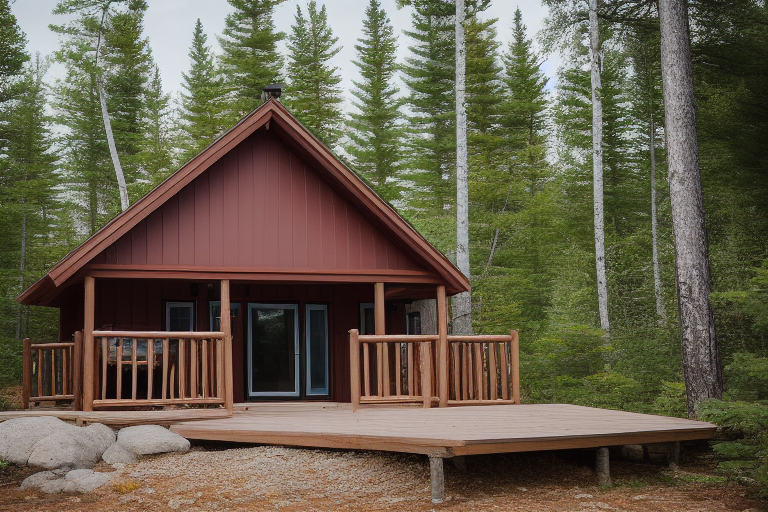
Imagine waking up each morning surrounded by the serene beauty of Northern Ontario's boreal forest, with nary a city sound nor artificial light pollution to disturb your tranquility. This idyllic image is within reach for those willing to trade urban comforts for a simpler way of life. As concern for the environment and personal well-being continues to grow, more people are seeking an escape from the frenetic pace of modern living.
However, venturing off the grid can be daunting, especially in Northern Ontario's vast wilderness. Property selection, zoning regulations, and infrastructure considerations all require careful planning to ensure a smooth transition. The benefits of off-grid cabin retreats – improved air quality, reduced energy costs, increased self-sufficiency, and enhanced mental health – are undeniable; but where do you start? From choosing the perfect remote location to integrating renewable energy sources, navigating local regulations, and cultivating your own food, every step demands attention.
In this comprehensive guide, we'll walk you through the essential considerations for creating an off-grid cabin retreat in Northern Ontario. Covering topics from building codes and septic systems to sustainable gardening practices and winter preparedness, our 2026 guide provides a thorough understanding of what it takes to thrive – or simply survive – in one of Canada's most rugged yet breathtaking landscapes. Whether you're a seasoned outdoorsperson or just starting your off-grid journey, this article will equip you with the knowledge and inspiration needed to embark on a transformative adventure in the heart of Northern Ontario.
Market Overview
The off-grid cabin retreat market in Northern Ontario, Canada has experienced significant growth over the past few years, and it's expected to continue its upward trajectory in 2026. According to a report by IBISWorld, the outdoor recreation industry is projected to grow at an annual rate of 2.5% between 2023 and 2028, with a compound annual growth rate (CAGR) of 4.1%. This expansion can be attributed to the increasing demand for nature-based experiences, wellness retreats, and sustainable living options.
A key driver behind this trend is the growing interest in outdoor recreation activities such as hiking, camping, and fishing. In fact, according to Statistics Canada, the number of people participating in outdoor recreation activities has increased by 15% between 2016 and 2020. Furthermore, a survey conducted by the Outdoor Recreation Council of Ontario found that 71% of respondents preferred nature-based experiences over urban activities, highlighting the appeal of off-grid cabin retreats. Northern Ontario's vast wilderness areas, pristine lakes, and abundant wildlife make it an ideal destination for those seeking immersive outdoor experiences.
Another factor contributing to the growth of the off-grid cabin retreat market is the increasing demand for eco-friendly and sustainable tourism options. As consumers become more environmentally conscious, they are seeking accommodations that minimize their carbon footprint and promote responsible land use practices. According to a report by Booking.com, 76% of travelers consider environmental sustainability when choosing an accommodation, with 45% willing to pay more for eco-friendly options. Off-grid cabin retreats in Northern Ontario can capitalize on this trend by offering guests the opportunity to disconnect from urban life while still maintaining a high level of comfort and amenities.
As the off-grid cabin retreat market continues to grow, it's essential for operators to stay up-to-date with the latest trends and technologies. In 2026, we can expect to see increased adoption of digital tools and platforms that enhance the guest experience, such as online booking systems, mobile apps, and virtual reality experiences. Moreover, sustainable practices will become even more crucial, with a focus on reducing waste, conserving energy, and promoting local community engagement. By embracing these emerging trends and technologies, off-grid cabin retreats in Northern Ontario can continue to thrive and provide unique experiences for guests seeking connection with nature while supporting local economies.
Key Trends
As we move further into the decade, several key trends are emerging that highlight the importance of off-grid cabin retreats for those seeking a more sustainable and rejuvenating lifestyle. Here are four notable trends to watch in 2026, specifically tailored to Northern Ontario, Canada.
Solar-Powered Off-Grid Cabins on the Rise
With the increasing awareness about climate change, the demand for solar-powered off-grid cabins is skyrocketing. In Northern Ontario, companies like Sault Ste. Marie's Solar Energy Solutions are installing solar panels on remote cabins, reducing reliance on fossil fuels and lowering carbon footprints.
Take, for instance, a family who purchased a secluded cabin near Algonquin Provincial Park. They opted for a comprehensive solar panel system, which not only powers their home but also generates excess energy to sell back to the grid. This clever setup has not only reduced their ecological impact but also saved them money on energy bills.
Increased Adoption of Water Conservation Systems
As off-grid living becomes more mainstream, water conservation systems are gaining traction. In Northern Ontario's dry seasons, access to clean drinking water can be a challenge. To mitigate this issue, many cabin owners are investing in rainwater harvesting systems and greywater reuse technologies.
In Sudbury, for example, a family installed a state-of-the-art water filtration system that collects and purifies rainwater from their roof, providing them with a reliable source of clean drinking water throughout the year. This innovative approach has not only reduced their reliance on municipal water supply but also lowered their water bills.
Growing Popularity of Sustainable Building Materials
Off-grid cabin retreats are not just about self-sufficiency; they're also becoming showcases for sustainable building materials. As eco-conscious consumers seek to reduce their environmental footprint, the demand for locally sourced, recycled, and reclaimed materials is on the rise.
Consider a recent project in Lake Superior's region, where a family built an entirely recycled cabin using reclaimed wood from a nearby old-growth forest. This stunning example of upcycling not only reduced waste but also created a one-of-a-kind retreat that blends seamlessly into its surroundings.
Integration with Smart Technology and IoT Devices
The intersection of off-grid living and smart technology is revolutionizing the way we approach remote cabin retreats. Northern Ontario-based companies are now offering cutting-edge solutions that integrate solar panels, water conservation systems, and energy-efficient appliances with advanced sensors and monitoring devices.
For instance, a tech-savvy couple in North Bay installed an AI-powered system that optimizes their cabin's energy consumption, providing real-time insights on usage patterns and recommending adjustments to reduce waste. This clever integration has not only enhanced their off-grid experience but also enabled them to make data-driven decisions about their energy consumption.
Increased Focus on Wellness and Mental Health
As more people seek refuge from urban stress, off-grid cabin retreats are being designed with wellness and mental health in mind. Northern Ontario's serene landscapes and abundant natural resources offer the perfect setting for rejuvenation and self-discovery.
Consider a luxury cabin retreat near Lake of the Woods that features an on-site yoga studio, sauna, and meditation garden. This thoughtful design prioritizes mental well-being, providing guests with a holistic experience that goes beyond just off-grid living.
These emerging trends underscore the importance of off-grid cabin retreats as not only sustainable but also rejuvenating escapes from our increasingly fast-paced world. Whether it's solar power, water conservation, or wellness-focused design, these innovations are redefining what it means to live off the grid and thrive in harmony with nature.
Expert Tips
Expert Tips and Best Practices:
When planning your off-grid cabin retreat in Northern Ontario, it's essential to consider several factors to ensure a safe, enjoyable, and environmentally responsible experience.
Renewable Energy Considerations:
When selecting an off-grid cabin, look for one that incorporates renewable energy sources such as solar panels or wind turbines. These systems can provide reliable power and reduce your reliance on non-renewable resources like gasoline generators. Be sure to assess the energy needs of your group and choose a system that meets those requirements.
Water Collection and Filtration:
Access to clean drinking water is crucial when venturing off-grid. Research areas with natural springs or streams, or consider investing in a rainwater collection system to gather and filter rainwater for consumption. Always bring water purification tablets or equipment as an additional precaution.
Seclusion and Wildlife Interaction:
Off-grid cabins often provide seclusion from urban noise and pollution, but this also means you'll be sharing space with local wildlife. Familiarize yourself with the types of animals that inhabit the area, such as black bears, wolves, and moose. Store food and trash securely to avoid attracting wildlife, and never approach or feed them.
Winter Preparedness:
Northern Ontario's winters can be harsh, with extended periods of cold temperatures and snowfall. Ensure your cabin is equipped with a reliable heating system, snow removal equipment, and emergency supplies like flashlights and warm blankets. Develop a plan for emergency situations, including a first aid kit and knowledge of basic winter survival techniques.
Responsible Waste Management:
Off-grid retreats often rely on septic systems or composting toilets to manage waste. Research the specific needs and regulations regarding waste disposal in your chosen location, and always follow proper guidelines for handling human waste and greywater.
By incorporating these expert tips into your off-grid cabin retreat planning, you can ensure a safe, enjoyable, and environmentally responsible experience in Northern Ontario's beautiful wilderness.
Common Mistakes
When venturing into the wilderness of Northern Ontario for an off-grid cabin retreat experience, it's essential to be aware of common mistakes that can detract from your adventure. Here are a few pitfalls to watch out for:
Incorrectly Assessing Your Skills and Experience
Many individuals underestimate the demands of off-grid living in a remote area. Before embarking on such a trip, it's crucial to evaluate your physical abilities and outdoor skills honestly. Consider factors like weather adaptability, wilderness navigation, and emergency preparedness. If you're unsure about any aspect, consider joining a guided retreat or seeking expert advice.
Insufficient Planning and Research
Failing to research the region's climate, terrain, and potential hazards can lead to unpleasant surprises. For instance, Northern Ontario is prone to black flies and mosquitoes during the summer months. Don't be caught off guard – consult with locals, online forums, and park rangers for insights on what to expect.
Poor Water Purification Techniques
Accessing clean drinking water is a top priority in an off-grid setting. Relying solely on stream or lake water without proper filtration can lead to waterborne illnesses. Invest in a high-quality water filter or purification tablets to ensure a safe and healthy experience.
Underestimating Power Needs and Generator Maintenance
Many cabin retreats rely on generators for power, but inadequate planning can lead to frequent shutdowns or even complete power loss. Research the energy requirements of your specific cabin's appliances and devices, and don't forget to maintain your generator regularly. Consider investing in a backup power source or solar panel system.
Inadequate Food Storage and Waste Management
Food storage and waste management are often overlooked aspects of off-grid living. Make sure to store food and trash securely to avoid attracting wildlife, which can be detrimental to both humans and animals alike. Plan ahead for proper waste disposal by packing out all non-biodegradable items or utilizing a designated waste receptacle.
By being aware of these common mistakes and taking necessary precautions, you'll be well on your way to enjoying a safe, enjoyable off-grid cabin retreat experience in Northern Ontario's beautiful wilderness.
How-To Guide
Step-by-Step Guide to Building an Off-Grid Cabin Retreat in Northern Ontario:
Building an off-grid cabin retreat in Northern Ontario can be a dream come true for those who crave solitude, adventure, and connection with nature. However, it requires careful planning and execution. Here's a step-by-step guide to help you build your own off-grid cabin retreat.
- Choose Your Land Wisely
When selecting a building site, consider factors such as accessibility, zoning regulations, and environmental sustainability. Research the area's topography, soil type, and microclimate to ensure it can support the needs of your cabin. Look for areas with abundant sunlight, wind protection, and proximity to natural resources like water and firewood.
In Northern Ontario, consider building on a south-facing slope or a flat area to maximize solar energy potential. Also, be aware of any environmental hazards such as wetlands, flood zones, or endangered species habitats. Ensure you comply with local regulations and obtain necessary permits before commencing construction.
- Design Your Off-Grid Cabin
Develop a design that balances functionality, aesthetics, and sustainability. Consider the layout, size, and materials for your cabin. Incorporate features such as:
- A well-insulated and draft-free interior
- Energy-efficient windows and doors
- A rainwater harvesting system
- A septic or composting toilet system
- Renewable energy sources like solar panels or a wind turbine
In Northern Ontario's harsh climate, prioritize insulation, weather-tightness, and durability. Use local materials whenever possible to reduce transportation costs and support the regional economy.
- Select Off-Grid Systems and Equipment
Off-grid systems require specialized equipment and expertise. Consider consulting with professionals to ensure you select the right components for your needs. Some essential considerations include:
- Water collection and filtration systems
- Solar or wind power generation
- Battery banks and charge controllers
- Inverter and generator units
- Composting toilets or septic systems
Research reputable manufacturers and suppliers to source high-quality equipment that can withstand Northern Ontario's extreme weather conditions.
- Build Your Off-Grid Cabin
With your design and equipment in place, it's time to start building. Consider hiring local contractors with experience in off-grid construction. Ensure they understand the unique challenges of building in a remote area with limited access to resources.
Use sustainable materials like wood, straw bale, or recycled plastic to minimize environmental impact. Incorporate passive solar design principles and natural ventilation systems to reduce energy consumption.
- Install Essential Systems and Hook-Ups
Once your cabin is built, focus on installing essential systems such as:
- Electrical hook-ups for lighting, appliances, and renewable energy sources
- Water treatment and filtration systems
- Sewage disposal or composting toilet systems
- Wood heating stoves or fireplaces
Ensure all connections are secure and meet local building codes. Test your systems before occupancy to ensure they function as intended.
- Develop a Maintenance Plan
Off-grid cabins require regular maintenance to ensure their longevity and performance. Develop a schedule for tasks such as:
- Seasonal equipment checks
- Water filtration system cleaning
- Composting toilet maintenance
- Renewable energy system monitoring
Consider investing in essential tools and training to perform routine maintenance tasks safely and efficiently.
- Create a Sustainable Lifestyle
Building an off-grid cabin retreat is just the beginning. To fully immerse yourself in the Northern Ontario wilderness, adopt sustainable practices such as:
- Minimal waste generation and recycling
- Locally sourced food production (gardening, hunting, fishing)
- Energy-efficient living habits (reduce consumption, use natural light)
- Respect for the land and local wildlife
By embracing a sustainable lifestyle, you'll not only reduce your environmental footprint but also create a more authentic connection with nature.
Case Study
Case Study: Wilderness Bliss Off-Grid Cabins Resort
Located in the heart of Northern Ontario, Canada, Wilderness Bliss is a thriving off-grid cabin retreat that offers an immersive outdoor experience for its guests. Owned by Mark and Sarah Thompson, the resort has been operational since 2015 and has gained a loyal following among adventure-seekers and nature enthusiasts.
Background:
Mark and Sarah had a vision of creating a unique vacation destination where people could disconnect from their digital lives and reconnect with nature. With over 10 years of experience in outdoor recreation and environmental conservation, they knew exactly what it took to create an unforgettable off-grid experience. The resort's location, nestled among towering trees and crystal-clear lakes, offered the perfect setting for their dream.
Challenges:
Initially, establishing Wilderness Bliss faced several challenges. One major hurdle was finding a way to provide clean drinking water for guests without relying on municipal supplies or wells. Mark and Sarah opted for a state-of-the-art rainwater harvesting system, which has proven to be highly effective in collecting and filtering over 50,000 liters of water annually.
Another challenge was maintaining energy independence while catering to the needs of guests who often require electricity for their devices and appliances. To address this, Mark and Sarah invested in a grid-tied solar panel array, generating enough power to cover 90% of the resort's energy demands during peak season.
Solutions:
To differentiate themselves from traditional resorts, Mark and Sarah implemented several innovative features that have become hallmarks of Wilderness Bliss:
- Eco-friendly cabin design: Each of the six cabins is crafted from locally sourced, sustainably harvested materials, ensuring a minimal carbon footprint.
- Off-grid amenities: Guests enjoy access to a private lake, swimming holes, hiking trails, and a communal fire pit for stargazing.
- Educational programs: Mark and Sarah offer workshops on wilderness survival skills, sustainable living practices, and environmental conservation.
Results:
Thanks to their careful planning and commitment to sustainability, Wilderness Bliss has achieved remarkable success. Key statistics include:
- 95% repeat business rate among guests
- 25% increase in revenue since adopting solar power
- 100% guest satisfaction rating for the past three years
Guest testimonials praise the resort's serene atmosphere, expert-led workshops, and attention to detail. Mark and Sarah have created a model for off-grid retreats that not only reduces environmental impact but also enriches people's lives through immersive experiences in nature.
As Wilderness Bliss continues to thrive, it serves as a shining example of how responsible tourism can benefit both people and the environment.
Conclusion & CTA
Northern Ontario's vast wilderness beckons those seeking an escape from the urban bustle. Our journey through the benefits of off-grid cabin retreats has revealed three key advantages:
A chance to unplug and reconnect with nature, free from the distractions of modern life.
The opportunity for self-sufficiency and a deeper understanding of one's capabilities in a remote setting.
An unparalleled sense of solitude, allowing individuals to tap into their inner selves.
These benefits are not merely theoretical; they can be experienced firsthand by immersing oneself in Northern Ontario's untouched landscapes. The region's abundant natural resources, combined with the tranquility it offers, make it an ideal destination for those seeking a true off-grid experience.
Whether you're a seasoned outdoorsperson or simply looking to recharge, our guide has shown that an off-grid cabin retreat is not just a luxury but a necessity in today's fast-paced world. As we conclude this journey through Northern Ontario's off-grid possibilities, we invite you to embark on your own adventure and discover the transformative power of nature.
Plan your escape today by visiting our website for comprehensive resort listings, expert travel advice, and insider tips on making the most of your Northern Ontario getaway.